Thinking About a Quick Sale to an Investor? What Utah Homeowners Should Consider First
Before accepting a quick cash offer for a distressed Utah home, compare the offer, your equity, the arrears and what housing will cost after closing.
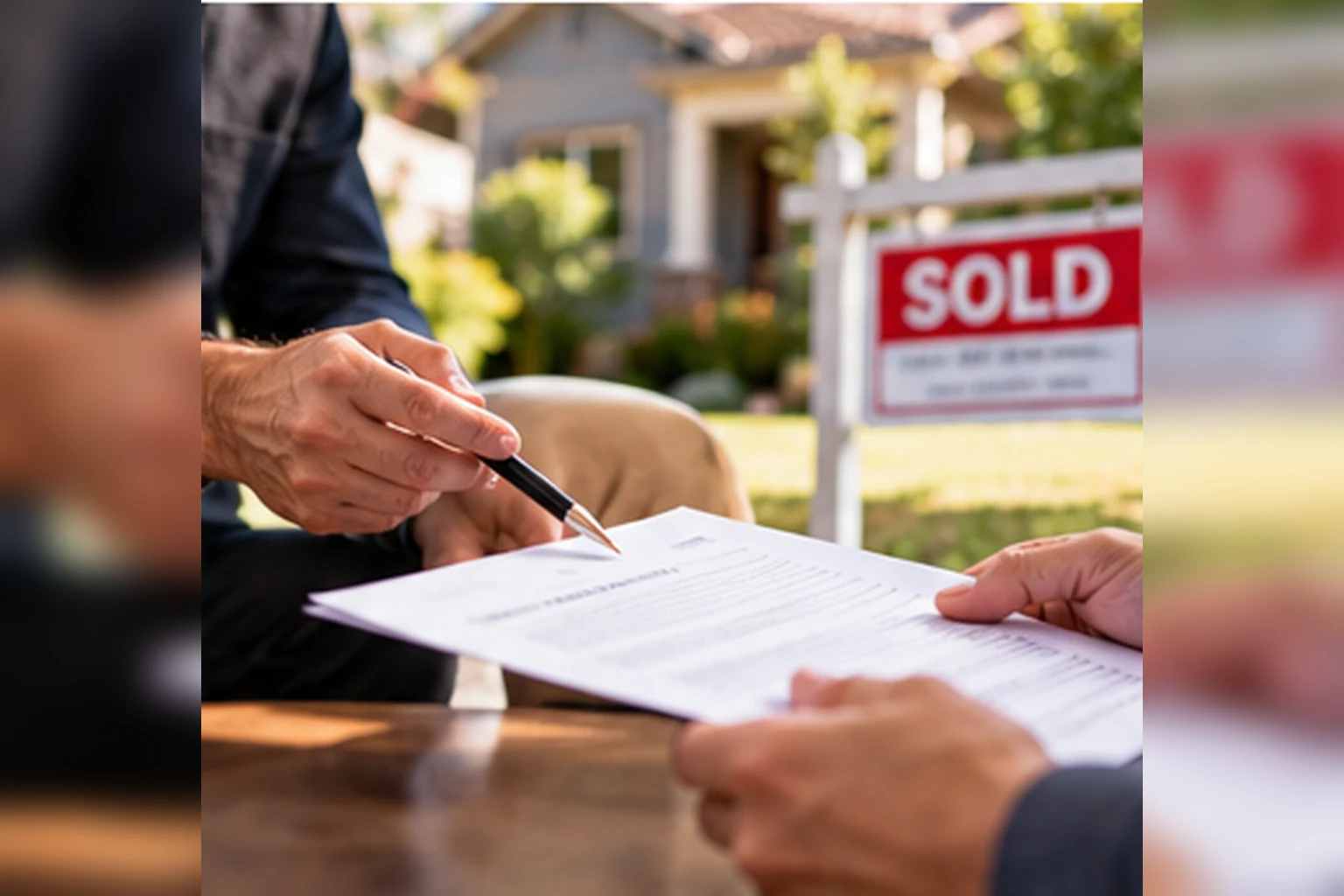
Speed can be valuable, but know what you are trading for it
A cash investor can sometimes close faster and with fewer contingencies than a traditional buyer. That can be useful when time is short. But convenience and speed may come with a lower purchase price.
Start with your realistic market value and total debt
Before evaluating an offer, estimate what the property is reasonably worth and total every mortgage and lien. Then compare the investor’s net offer with the equity you believe you have.
Compare the arrears with the equity you may be giving up
If you have roughly $200,000 in equity and need $20,000 to cure the mortgage, those numbers deserve to be considered together. Selling may still be right, but it should be a deliberate decision rather than a panic response.
Ask the question that gets missed: where will you live next?
Closing on the sale ends ownership of the home. It does not end your need for housing. You may need first month’s rent, a security deposit, moving expenses and enough monthly income to support the new rent.
Recent mortgage lates can matter when renting
Landlords commonly use tenant-screening information, which may include credit history. Recent missed mortgage payments can make a rental search more difficult at exactly the moment you need a new place to live.
When a quick sale can make sense
Selling may be appropriate when the home is no longer affordable, you already planned to move, there is little usable equity, the property needs work you cannot manage, or speed is genuinely more important than maximizing price.
Before signing, compare both paths
Get the investor offer in writing, understand the net amount you expect to receive, estimate the cost of your next housing and find out whether the arrears can be solved another way. A fast sale is an option—not automatically the only option.
Request a private property review
If you want to keep your Utah home and have substantial equity, send us the approximate property value, mortgage balances, amount you are behind and any foreclosure sale date. Situations with approximately $100,000 or more in available equity are generally the best fit for the type of assistance we provide.
Tell us about your homeUtah Foreclosure FAQ
How long does a Utah trustee sale take?
Under Utah Code § 57-1-24, at least three months must pass after the trustee records a Notice of Default before the trustee gives notice of sale. The sale-notice stage follows, including applicable publication requirements and at least 20 days of posting notice before the auction. The auction is not automatically held at the end of three months. Earlier servicing requirements, postponements, and case-specific circumstances can extend the process. Confirm your recorded Notice of Default and scheduled sale date with the trustee.
How do I reinstate my loan in Utah?
Utah Code § 57-1-31 generally allows eligible borrowers to reinstate within three months after the Notice of Default is recorded when a loan is accelerated because of default before its scheduled maturity. Cure requires the amounts then due, including applicable advances, enforcement costs, and trustee and attorney fees actually incurred, but excludes principal due only because of acceleration. Request a written reinstatement quote and payment instructions promptly. This statutory window generally ends before auction day; later reinstatement requires an applicable contractual right, extension, or lender agreement. Confirm your deadline and cancellation of the Notice of Default with the trustee.
Can I stop foreclosure by selling my home?
A voluntary sale may prevent a trustee sale if it closes and the required payoff reaches the lender or trustee before the auction. A title or escrow company can obtain payoff figures and arrange payment of mortgages, liens, and closing costs; any remaining proceeds belong to the seller, subject to the closing terms. If proceeds are insufficient, lender approval of a short sale or another arrangement may be necessary. For homeowners who want to stay, private home-equity financing may fund an available reinstatement or payoff, subject to equity, approval, costs, repayment ability, and time to close. Listing a home, signing a purchase contract, or applying for financing does not by itself stop foreclosure.
Sources: Utah Code §§ 57-1-24, 57-1-25, and 57-1-31 and Utah Courts foreclosure guidance. Read the Utah Notice of Default (NOD) Timeline & Reinstatement Guide for more detail.
General educational information, not legal advice. Residential Capital, LLC reviews each situation individually. Financing is subject to approval and does not guarantee foreclosure relief. Submitting an inquiry does not stop or extend foreclosure deadlines.